Longitudinal Tracking / Progress Scans
INTRODUCTION
Track Real Change – Not Just Weight
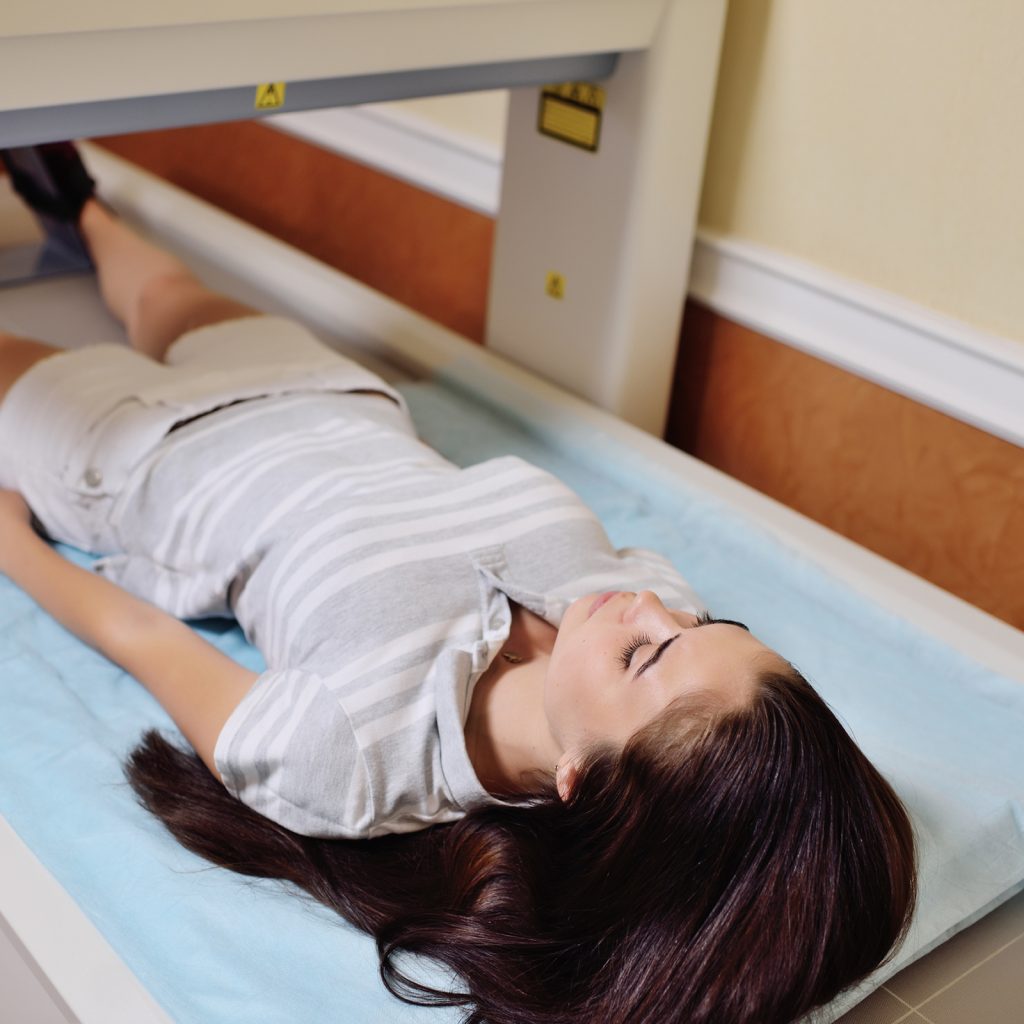
Body transformation isn’t linear, and traditional measures like weight or BMI rarely tell the full story. A Longitudinal Tracking Scan (repeat DEXA analysis over time) allows you to quantify your progress with clinical accuracy – showing how fat, muscle and bone composition shift as you train, recover, or lose weight.
At Bone Muscle Scan, each progress scan is interpreted by our specialist doctor, ensuring your changes are assessed not only statistically, but medically – with insights on bone strength, muscle health and metabolic balance.
Why Longitudinal Tracking Matters
Most people embarking on a training or nutrition program are guided by the scale, but body weight alone can be misleading. Muscle weighs more than fat, and early improvements in composition may not reflect as weight loss. DEXA tracking allows you to see what’s truly happening beneath the surface.
Repeat Scanning Provides
- Quantitative proof of fat loss and lean gain
- Measurement of muscle symmetry improvements
- Ongoing evaluation of visceral fat reduction
- Monitoring of bone density stability during weight loss or training phases
For athletes, this level of detail enables periodisation and precision planning. For those on lifestyle or medical programs, it confirms that progress is genuine – not guesswork.
Uses
Common Uses for Progress Scans
Weight-Loss Programs
- Overview: Evaluating whether fat loss, not muscle loss, is driving weight change.
- Causes of plateau: Overtraining, inadequate nutrition, stress, under-recovery.
- Risks of unmonitored loss: Muscle catabolism, slower metabolism, reduced strength.
- Treatment options: Adjust calorie intake, add resistance training, manage stress, reassess body composition every 8–12 weeks.
Muscle-Building or Performance Phases
- Overview: Tracking lean-mass increases and muscle distribution.
- Causes of imbalance: Training overload, poor technique, injury.
- Risks: Overtraining, strain, disproportionate growth patterns.
- Treatment options: Targeted strength programming, recovery optimisation, diet adjustment.
Bone Health Monitoring
- Overview: Assessing density maintenance during weight loss or menopause.
- Causes of bone loss: Low oestrogen, calorie restriction, low vitamin D, reduced loading.
- Risks: Osteopenia, fracture, weakness.
- Treatment options: Resistance training, nutrition optimisation, medical review.
How It Works
Each DEXA scan is quick (10–15 minutes) and extremely low in radiation. By comparing your scans side by side, our system visualises measurable change in colour-coded graphs – a motivational and scientific record of progress. You’ll receive a detailed report outlining where gains or losses have occurred, and whether your approach is delivering the results you expect.

Why Choose Bone Muscle Scan
At Bone Muscle Scan, we believe data drives results. Our experienced clinical team interpret our data and provide the foundation for continual improvement. Whether you’re preparing for competition, losing weight, or rebuilding after injury, our tracking service provides confidence that your hard work is paying off – in numbers that truly matter.